
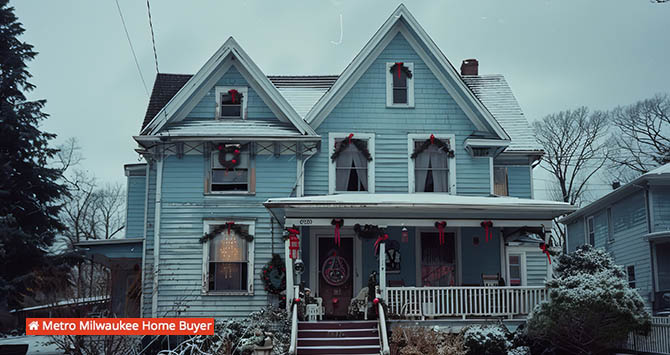
Anyone who’s spent a winter in Milwaukee knows the drill: bitter cold one day, slushy thaw the next, then an ice storm for good measure. For older homes, those swings are exhausting. Houses built before the 1970s weren’t designed for today’s climate patterns, and each winter can feel like a test on the house.
Whether your home has weathered sixty, eighty, or a hundred winters, this guide is here to help you protect it as best you can. And if you’re reaching that point where patching things up year after year is wearing you down and you need to sell your Milwaukee home, we’ll talk through when it may be more practical to stop fighting the cold and consider other options.
Why Do Older Milwaukee Homes Struggle So Much in Winter?
Let’s start with the big question: why do older Milwaukee houses struggle so much once winter hits?
The answer lies in the bones of the home, original foundations, aging cast-iron plumbing, thin insulation, and older roofing materials. Mix those with lake-effect moisture and the freeze-thaw cycle, and you’ve got the perfect recipe for winter wear and tear. Common winter problems in older homes include:
A 1920s fixer-upper in West Allis: 73 days
Left untreated, these small issues stack up, turning into large, expensive problems by spring.
How Can I Prevent Frozen or Burst Pipes?
Pipes in older Milwaukee homes often run through uninsulated walls or basements. When temperatures plunge, pipe bursts can lead to thousands in water damage. Here are some ways to prevent these issues:
If you’ve experienced more than one burst in recent years, that’s a sign bigger plumbing updates may be on the horizon.
How Do I Stop Ice Dams from Ruining My Roof?
Ice dams form when heat escapes through the attic and melts the snow on your roof. The water refreezes at the gutters, causing a backup under the shingles. You can reduce them by:
If your roof is more than 20 to 25 years old, even preventive steps may not fully protect it from winter damage.
What Can I Do About Water Leaks and Basement Moisture?
Older Milwaukee basements are notorious for leaking during winter thaws because their foundations are weakened and absorb moisture. You can minimize winter seepage by:
But if you’re dealing with an endlessly damp basement, bowing walls, or old stone foundations, repairs may become ongoing and costly.
How Do I Keep Heat Inside an Older Home Without Overpaying for Energy?
Drafts and heat loss are huge issues in older Milwaukee houses. Your furnace works overtime, but comfort doesn’t improve. Here are some low-cost solutions:
There are also some more expensive options if your home and budget allow:
But if your home’s overall structure is failing, old wiring, outdated insulation in inaccessible walls, and aging HVAC, it may cost more to fix than it’s worth.
Foundation Cracks Keep Getting Worse: When Is It a Red Flag?
Freeze-thaw cycles expand existing cracks. If those cracks widen every winter, or if doors are sticking more than usual, you may be experiencing structural movement.
Signs you shouldn’t ignore:
Foundation repairs in Milwaukee can range from $8,000 to $28,000 or more, depending on severity. If the home has multiple winter-related structural problems, selling to cash home buyers in Milwaukee may be more practical than restoring.
When Do Repairs Stop Making Sense for an Older House?
Here are the signs homeowners often face before deciding to step away from an aging property:
It’s at this point that many owners begin wondering, “Is it smarter to keep making repairs, or should I sell the home?”
What If I Need to Sell My House During the Winter With Repairs Still Pending?
This is where homeowners often realize that selling traditionally may not be realistic because:
If your home has heavy winter damage or ongoing repair needs, some Milwaukee sellers choose alternative options, such as selling the property in as-is condition.
This is where a home-buying company in Milwaukee can be a practical option, especially for owners facing deadlines, inherited properties, or extensive winter wear and tear.
What Are My Options If Winter Repairs Are Too Much?
If you’re thinking, “I need to sell my house fast in Milwaukee without sinking another dollar into repairs,” you’re not alone. Many Milwaukee homeowners in older neighborhoods face the same crossroads each winter.
You have three main paths:
Best for homes in mostly good condition
Higher resale potential, but higher upfront cost
No winter prep
No multiple showings
Often faster closings than traditional listings
Good when the home has significant seasonal damage
Works only if winter damage is manageable
Risk that bigger problems emerge next season
When Your Home’s Winter Problems Don’t Take a Winter Break
Repairs feel overwhelming. You may also be unsure whether to invest another winter in your aging home, but Metro Milwaukee Home Buyer offers an option that many sellers find the best choice. We buy houses in Milwaukee in as-is condition, old, damaged, winter-worn, or needing multiple repairs. When winter keeps winning, it may be time to choose a move that finally puts you first.
